Why Does Staging Matter So Much for Starter Homes?
Starter homes don’t get much grace from buyers. They’re compared quickly and often side by side with similar listings. When a home is empty, buyers start guessing. Is this room too small? Would my furniture even fit? That guessing creates hesitation. Staging removes those questions. A sofa shows scale. A dining table shows function. A bed shows that the room works. Buyers stop wondering and start understanding. When a home feels clear, buyers stay longer and take it more seriously.
Which Rooms Should Be Staged First in a Starter Home?
Not every room needs the same level of attention, but some rooms carry more weight. The living room sets the tone. If it feels tight or confusing, buyers feel uneasy. Bedrooms matter because buyers imagine rest and privacy there. Kitchens should feel usable and open, even if they’re small. Bathrooms need to look clean and simple. Staging focuses on these spaces first because they shape the buyer’s overall impression. When these rooms feel right, the rest of the home feels easier to accept.
How Does Staging Help Small Spaces Feel More Usable?
Small spaces are common in starter homes. Empty rooms often look smaller than they really are. Overfilled rooms feel cramped. Staging finds the middle ground. Furniture that fits properly shows what’s possible. Clear walkways help the home feel easier to move through. Light colors keep things from feeling heavy. Once buyers see that a bed fits or that a living room can support real seating, the fear of “too small” starts to fade.
Should Starter Home Staging Feel Different From Higher-End Staging?
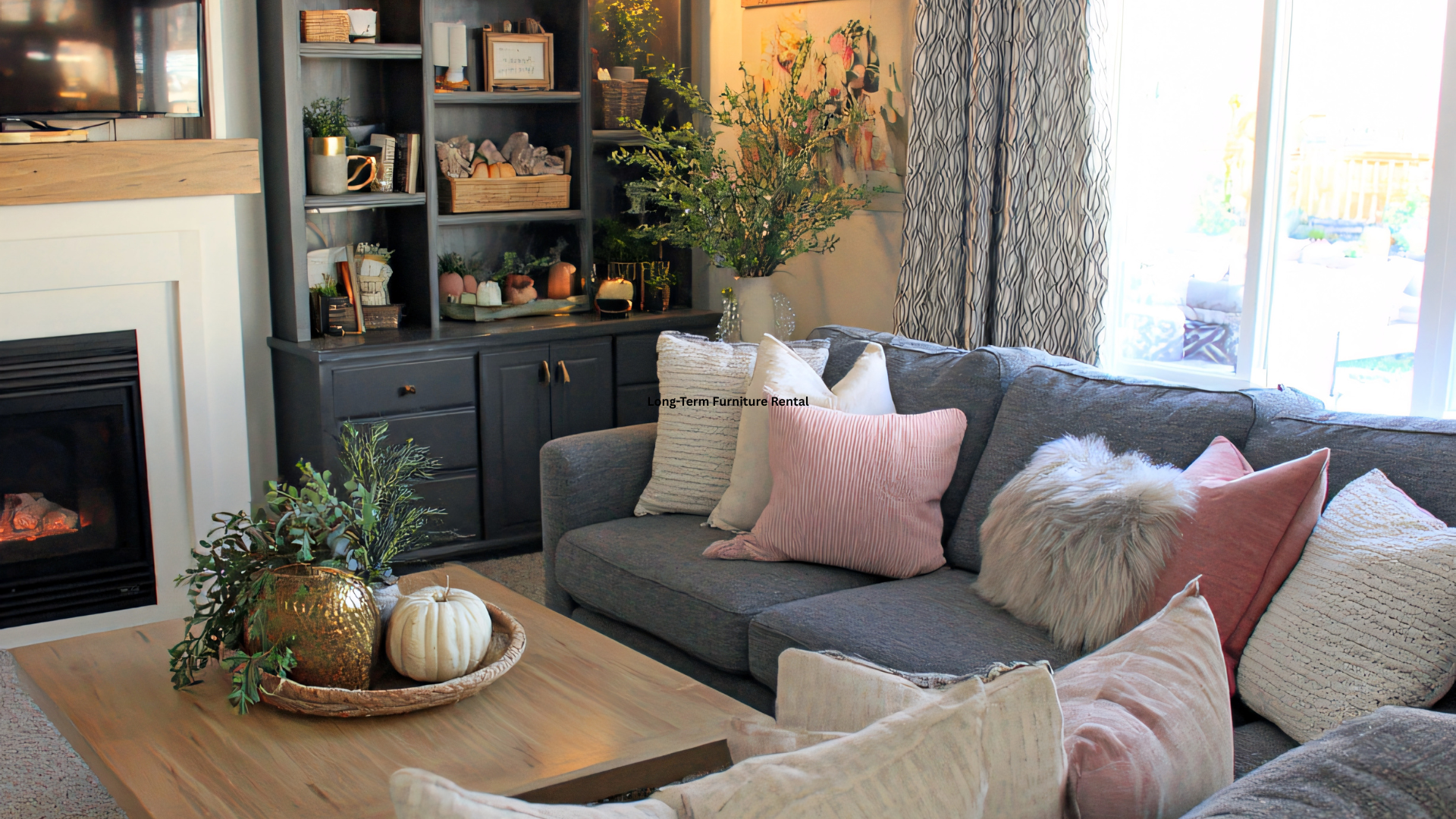
Yes. Starter homes should never feel formal or overdone. Buyers at this level want comfort, not luxury. Staging should feel relaxed and practical. Neutral colors work best. Furniture should feel approachable. Nothing flashy. Nothing personal. The goal is to show that the home is easy to live in and easy to grow into. When buyers feel that, they start picturing their future instead of worrying about limitations.
How Does Staging Help First-Time Buyers Make a Decision?
First-time buyers often hesitate because everything feels new. They second-guess layouts and worry about mistakes. Staging helps calm that noise. It shows how rooms connect and how daily life could flow. Buyers stop measuring walls with their eyes and start imagining routines. That shift builds confidence. Confident buyers make decisions faster. When a starter home feels understandable and welcoming, it becomes much easier to say yes.