
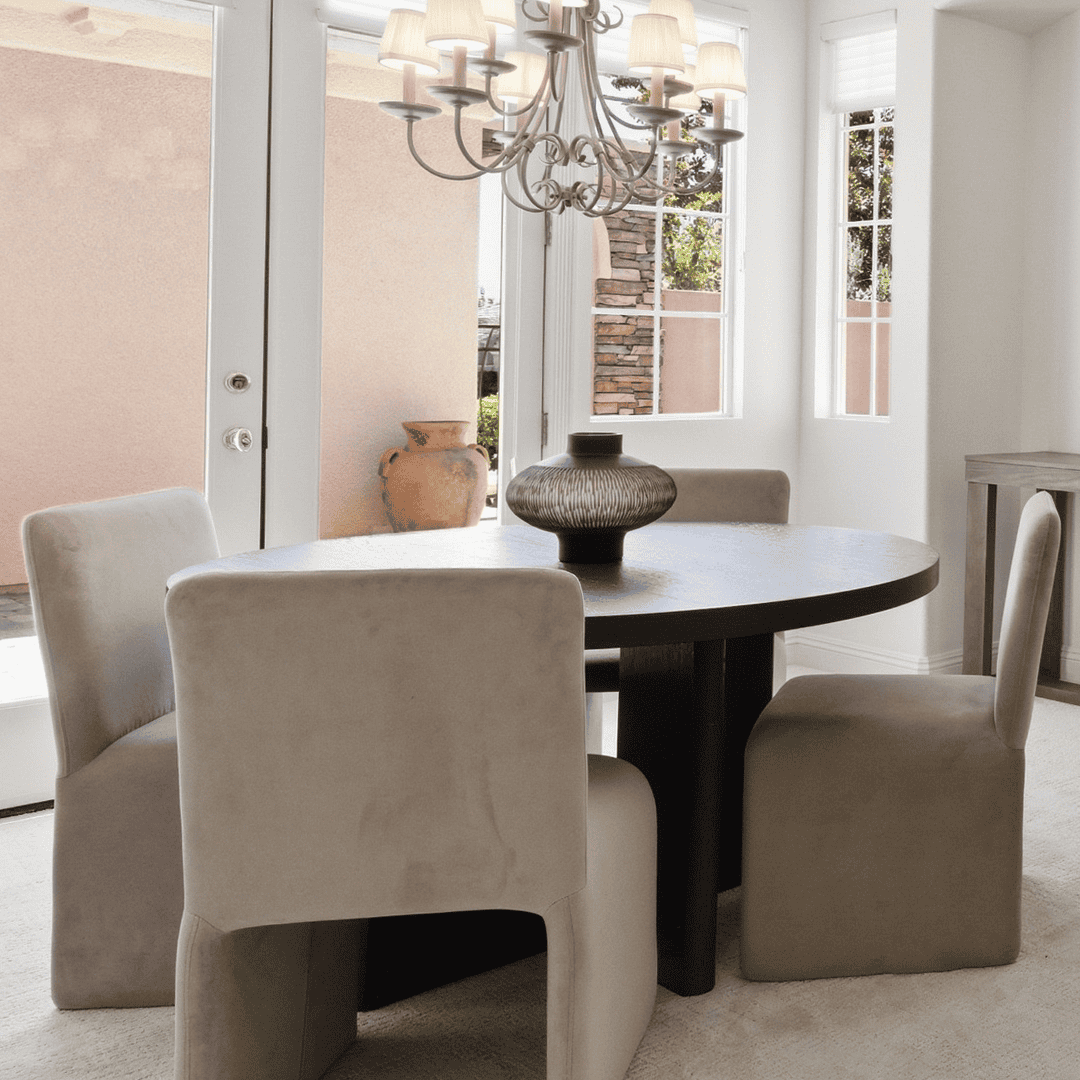
When sellers prepare their home for the market, it’s common to assume that removing all the furniture will make rooms appear larger. After all, less furniture means more open floor space, right?
Surprisingly, buyers often experience the exact opposite.
An empty room may offer more square footage on paper, but without visual reference points, it can actually feel smaller, less inviting, and more difficult to understand. This is where the psychology of space comes into play and why professional home staging continues to be one of the most effective tools for helping buyers connect with a property.
Buyers Need Context
When buyers walk into a vacant home, they’re not just evaluating the space itself. They’re subconsciously trying to answer a series of questions:
- Will my furniture fit here?
- How would I arrange this room?
- Is there enough space to entertain?
- How would my family use this area?
Without furniture, buyers are forced to use their imagination. For many people, that’s surprisingly difficult. Instead of seeing possibilities, they see uncertainty.
Thoughtfully staged furniture provides context. It helps buyers instantly understand the room’s purpose and visualize how they could live in the space.
Furniture Creates a Sense of Scale
One of the biggest misconceptions about staging is that furniture makes a room feel smaller. In reality, the right furniture often makes a room feel larger.
Why?
Because furniture provides scale.
A sofa, dining table, or bed gives buyers a familiar point of reference. Suddenly, they can understand the room’s dimensions in a meaningful way. A vacant living room might feel oddly small or awkward, while the same room with a properly sized seating arrangement can feel spacious, functional, and balanced.
Without those reference points, buyers often underestimate room size and struggle to judge proportions accurately.
Defining Function Creates Confidence
Open-concept layouts are popular, but they can also create confusion when left empty.
Is that area intended for dining? A sitting room? A home office? A reading nook?
Staging removes the guesswork.
By defining each space with purpose, buyers immediately understand how the home functions. A dining table establishes an eating area. A desk creates a dedicated workspace. A conversation seating arrangement demonstrates how people can gather and connect.
When buyers understand a home’s functionality, they feel more confident in their purchasing decision.
Flow Matters More Than Square Footage
The way people move through a home has a significant impact on how spacious it feels.
Strategic furniture placement highlights natural pathways and improves flow from room to room. Buyers can easily see how spaces connect and how daily life would unfold within the home.
Vacant rooms often lack this guidance. Large spaces can feel disconnected, while oddly shaped rooms may seem challenging to use.
Professional staging helps direct the eye, creating a sense of balance and movement that makes the entire home feel more comfortable and cohesive.
Emotional Connection Drives Decisions
Most home purchases aren’t purely logical. Buyers often make decisions based on emotion first and justify them with facts later.
An empty room can feel cold and impersonal. A staged room feels welcoming, lived-in, and aspirational.
When buyers walk into a beautifully staged home, they don’t just see furniture. They see family gatherings, holiday celebrations, movie nights, and future memories. They begin imagining their lives there.
That emotional connection is often what transforms a showing into an offer.
First Impressions Start Online
Today’s buyers usually see a home online before they ever schedule a tour. Listing photos are often the first opportunity to make an impression.
Vacant rooms can look flat and difficult to photograph. Without furniture, it’s harder to showcase scale, depth, and functionality.
Staged homes tend to photograph better because they provide visual interest, create focal points, and help buyers understand the layout immediately. Better photos often lead to more clicks, more showings, and more opportunities to attract serious buyers.
Empty rooms may seem larger in theory, but buyers often perceive them differently. Without furniture, many struggle to understand scale, functionality, and flow.
Professional staging bridges that gap by helping buyers visualize how the home can support their lifestyle. Through strategic furniture placement and thoughtful design, staging transforms empty spaces into rooms that feel larger, more purposeful, and more memorable.
At Stage The Space, we don’t simply fill rooms with furniture; we create experiences that help buyers envision themselves at home. And when buyers can see themselves living in a space, they’re far more likely to make an offer.
Thinking about listing your home? Contact Stage The Space and discover how strategic home staging can help create stronger buyer connections from the moment they walk through the door.
